Protect your Fredericksburg home from termites!

Termites: Silent Invaders with Destructive Power
Unveiling the Hidden Threat
Termites, often referred to as “silent invaders,” are social insects that feed on cellulose-based materials, including wood and paper. Their presence goes unnoticed until their destructive actions become evident, resulting in significant property damage. It’s crucial to recognize the potential threat posed by these pests and take proactive measures to protect your home or business.
Termite Biology and Behavior
- Colony Structure: Termite colonies are highly organized, consisting of different castes, including workers, soldiers, and reproductives.
- Feeders of Wood: Termites primarily consume cellulose found in wood and other plant materials, making them a threat to structural integrity and valuable belongings.
- Moisture Dependence: Termites thrive in moist environments and require access to water sources. Damp basements, leaking pipes, and poor drainage can attract these pests.
- Hidden Activity: Termites typically operate in concealed locations within wood or soil, avoiding detection until extensive damage occurs.
- Swarm Behavior: During certain seasons, winged termites (known as swarmers) emerge from the colony to establish new colonies, indicating an active infestation.
Signs of Termite Infestation: Inspect for Trouble
Identifying signs of termite activity is essential for early detection and prompt treatment. If you suspect termite infestation, look for these telltale signs:
- Hollow-Sounding Wood: Tapping on wood affected by termites may produce a hollow or papery sound.
- Mud Tubes: Termites often construct mud tubes on walls, foundations, or other surfaces to provide cover and maintain humidity levels.
- Discarded Wings: Discarded wings from swarmers are a clear indication of termite presence.
- Frass: Wood shavings or pellets produced by termites may be found around infested areas.
- Buckling or Warping Wood: Severe termite damage can weaken wood, leading to buckling or warping.
Consequences of Termite Infestation: Understanding the Risks
Termite infestations can have severe consequences for buildings and other structures:
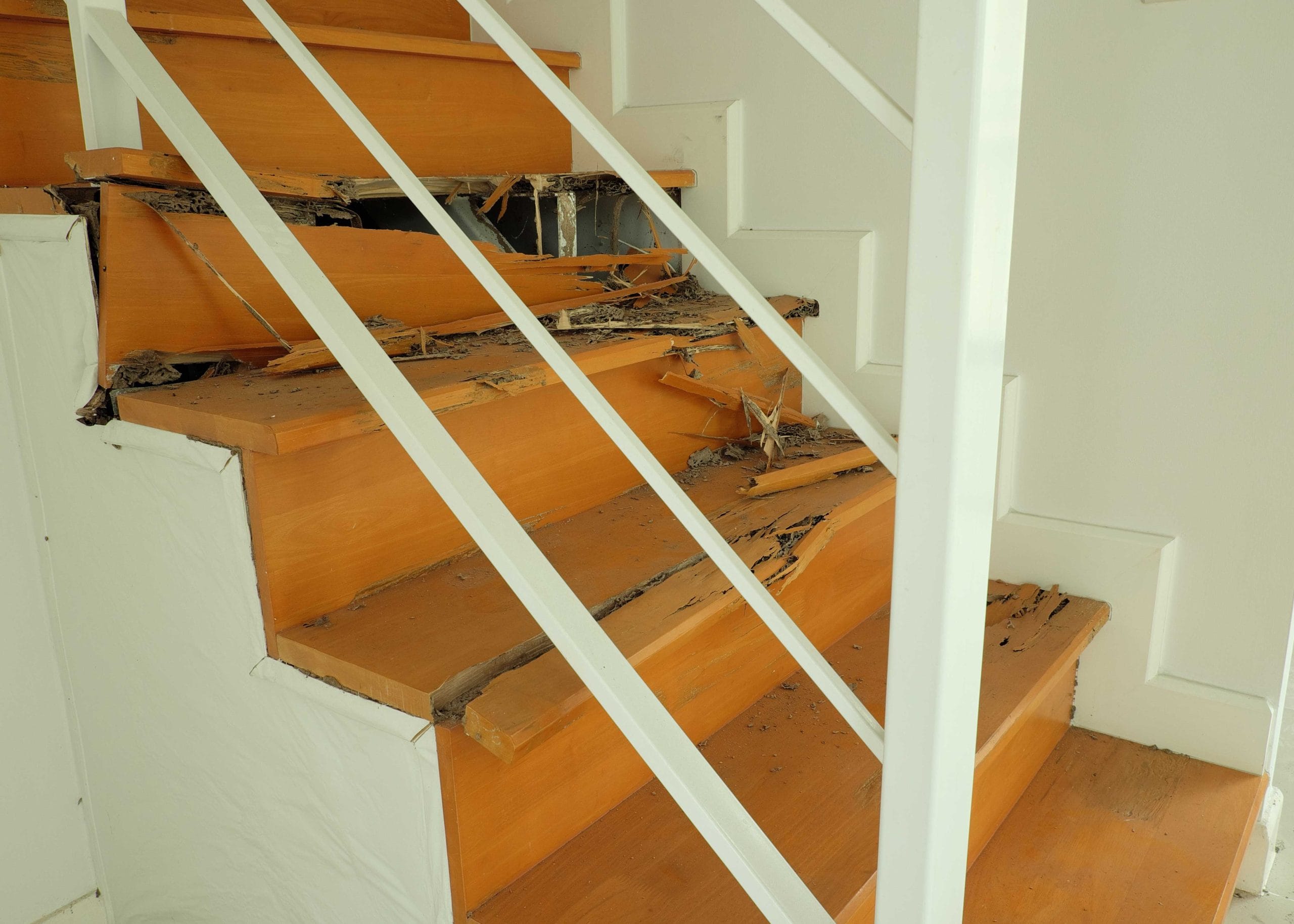
- Structural Damage: Termite feeding can compromise structural integrity, weakening load-bearing elements and causing floors, walls, and ceilings to collapse.
- Property Value Reduction: A termite infestation can significantly diminish the value of a property, affecting its marketability.
- Health Hazards: While termites themselves do not pose a direct health risk to humans, wood decay caused by their feeding may release harmful mold spores, affecting indoor air quality.
- Insurance Implications: Some insurance policies may not cover termite damage, leaving homeowners and businesses financially responsible.
- Emotional Distress: Discovering a termite infestation can be a distressing experience, causing anxiety and frustration.
Protecting Your Property from Termites: Implement Preventive Measures
Taking proactive steps to prevent termite infestations is crucial for safeguarding your property. Implement these preventive measures:
- Moisture Control: Eliminate moisture sources around your home, such as fixing leaky pipes, improving drainage, and using dehumidifiers in basements.
- Wood-to-Soil Separation: Keep all wood structures, including decks, porches, and siding, elevated off the ground to prevent termite access.
- Regular Inspections: Schedule regular termite inspections by qualified professionals to detect infestations early on.
- Barrier Treatments: Apply chemical barriers around foundations and other areas to deter termites from entering.
- Eliminate Termite Attractants: Remove sources of cellulose material, such as firewood, cardboard, and mulch, from your property.
Professional Termite Control: Seeking Expert Assistance
If you suspect or confirm a termite infestation, it’s essential to seek professional assistance immediately. Experienced termite control specialists will:
- Identify Termite Species: Different termite species have unique characteristics and treatment methods.
- Determine Infestation Severity: Assessing the extent of the infestation is crucial for developing an effective treatment plan.
- Select Appropriate Treatment: Implement the most suitable treatment method based on the termite species, infestation level, and building characteristics.
- Monitor and Remediate: Provide ongoing monitoring and follow-up treatments to ensure complete eradication of the infestation.
- Provide Warranty: Offer warranties on their services to give you peace of mind.
Conclusion: Vigilance and Prevention for a Termite-Free Environment
Termites pose a significant threat to homes and businesses, causing costly damage and potential health hazards. Vigilance and proactive measures are essential to protect your property from these silent invaders. By understanding their biology, recognizing signs of infestation, implementing preventive practices, and seeking professional assistance when needed, you can effectively safeguard your valuable assets and ensure a termite-free environment.

Termites: The Silent Home Destroyers
Introduction
Termites, often hidden from sight, are formidable pests that can cause extensive damage to homes and other structures. They silently infiltrate, consuming wood and leaving behind a trail of destruction that can go unnoticed until it’s too late. It is crucial to understand these unwelcome guests and recognize the signs of their presence to prevent costly repairs and preserve the integrity of your property.
What Are Termites?
Termites belong to the insect order Isoptera and are known as wood-eating insects. These social creatures live in colonies, with each colony containing millions of members, divided into specific castes:
- Reproductive: King and queen responsible for colony growth
- Soldiers: Defend the colony from external threats
- Workers: Gather food (wood) and care for the colony
Types of Termites
Numerous termite species exist, each with unique characteristics and geographical distributions. Some common types include:
- Subterranean Termites: Build underground nests and construct mud tubes to reach above-ground wood sources
- Drywood Termites: Infest dry wood directly, without requiring soil contact
- Dampwood Termites: Prefer moist wood, such as that found in decayed logs or trees
- Formosan Termites: Highly destructive and invasive species native to East Asia
Signs of Termite Infestation
Early detection is key in combating termite infestations. Look for these telltale signs:
- Mud Tubes: Tunnels built by subterranean termites to reach food sources
- Hollow-Sounding Wood: Indicates extensive wood damage
- Soft or Crumbling Wood: Termites have weakened the wood structure
- Discarded Wings: Termites shed wings after swarming
- Swarmers: Winged termites that leave the colony to establish new colonies
- Frass: Wood shavings produced by termites as they feed
Impact of Termite Damage
Untreated termite infestations can lead to serious structural damage, including:
- Compromised Load-Bearing Structures: Weakened wood may no longer support weight
- Compromised Foundation: Termites can damage the foundation, destabilizing the building
- Floor Buckling: Extensive wood damage can cause floors to sag or buckle
- Wall Collapse: In severe cases, termite damage can lead to wall collapse
- Roof Damage: Termites can infest roof structures, leading to leaks and other issues
Protecting Your Home from Termites
Protecting your home from termite infestation requires a proactive approach:
- Eliminate Wood-Soil Contact: Keep wood structures away from direct soil contact
- Inspect Regularly: Inspect for signs of termite activity, especially during spring and fall swarming seasons
- Seal Cracks and Holes: Seal any cracks or holes in the foundation or walls to prevent termite entry
- Use Termite-Resistant Materials: Consider using termite-resistant materials for construction and repairs
- Contact a Professional: Seek professional help from licensed termite control companies for thorough inspections and treatment recommendations
Professional Termite Control
Professional termite control involves a comprehensive approach:
- Inspection: A thorough inspection to identify the termite species, extent of infestation, and potential entry points
- Treatment: Implementation of effective treatment methods, such as liquid barriers, baits, or fumigation
- Monitoring: Regular monitoring to ensure the treatment’s effectiveness and prevent future infestations
- li> Follow-Up: Continuous monitoring and routine inspections to maintain protection against termites and give peace of mind
Conclusion
Termites are a significant threat to homes and structures, causing extensive damage that can be costly to repair. By recognizing the signs of infestation, implementing preventive measures, and seeking professional assistance, you can effectively safeguard your property from these destructive pests. Remember, early detection and prompt treatment are crucial in protecting your most valuable asset and preserving its structural integrity.

## Understanding the Devastating Impact of Termites Termites, elusive wood-destroying insects, pose a significant threat to homes, businesses, and ecosystems worldwide. Their ability to silently infest wooden structures and reduce them to dust makes them a formidable adversary that demands immediate attention and professional intervention. ### The Omnipresent Threat of Termites Termites are social insects that live in colonies, with each member playing a specific role in maintaining the colony’s survival and perpetuating its damaging presence. These voracious pests feed on cellulose, a component found in wood, and they are capable of causing extensive structural damage to buildings and other wooden structures. The presence of termites often goes unnoticed until significant damage has been done. Their clandestine nature and ability to burrow through wood undetected can lead to costly repairs and, in severe cases, even the need to replace entire structures. ### Recognizing the Signs of Termite Infestation Early detection is crucial in minimizing termite damage. Vigilance and regular inspections of your property are essential to identify signs that could indicate a termite infestation. Some common warning signs include: – **Mud tubes:** These pencil-thin tubes of mud extend from the ground to wooden structures and serve as pathways for termites to travel between their underground colony and their food source. – **Hollow-sounding wood:** Termites eat wood from the inside out, leaving behind only a thin layer of veneer. Tapping on infested wood may produce a hollow sound due to the absence of solid wood beneath the surface. – **Discarded wings:** Swarmer termites, the reproductive caste, shed their wings once they find a suitable location to establish a new colony. Clusters of discarded wings near windows or doors can indicate termite activity. – **Buckling or sagging wood:** Termite damage can weaken wooden structures, causing them to buckle or sag under their own weight. – **Carpenter ant vs. termite:** Termites are often mistaken for carpenter ants, but there are key differences. Carpenter ants excavate galleries in wood to nest in, leaving behind piles of sawdust. Termites, on the other hand, consume wood and leave behind fecal pellets that resemble fine sawdust. ### The Urgency of Professional Termite Control If you suspect a termite infestation, it is imperative to seek professional assistance without delay. Qualified termite control companies possess the expertise and specialized equipment necessary to effectively eliminate termites and prevent further damage. Professional termite control involves a comprehensive approach that typically includes: – **Inspection:** A thorough inspection of your property to locate termite activity, determine the extent of the infestation, and identify potential entry points. – **Treatment:** Depending on the severity of the infestation and the type of termites present, various treatment methods may be employed, such as liquid treatments, baiting systems, and fumigation. – **Monitoring:** Regular monitoring and follow-up visits are essential to ensure termite elimination and prevent re-infestation. ### Preventing Termite Infestation: A Proactive Approach While complete prevention of termite infestations may not be feasible, proactive measures can significantly reduce the risk of these pests targeting your property: – **Eliminate moisture:** Termites thrive in moist environments, so it is crucial to address any sources of moisture around your home. Repair leaky pipes, fix drainage issues, and use dehumidifiers in damp areas. – **Keep wood away from soil:** Termites can gain access to wooden structures through direct contact with soil. Maintain a gap between soil and wood by using treated lumber, concrete patios, and brick pavers. – **Regular inspections:** Conduct regular inspections of your property for signs of termite activity. Focus on areas where wood touches the ground, as well as windowsills, door frames, and other potential entry points. – **Professional inspections:** In addition to your own inspections, consider scheduling regular professional termite inspections. Trained professionals have the expertise to identify early signs of infestation and recommend appropriate preventive measures. ### The Importance of Community-Wide Termite Prevention Termite infestations are not isolated incidents; they can affect entire communities. Collaborative efforts to prevent and control termite infestations are vital for the well-being of the community as a whole. – **Public awareness:** Educating the public about termite threats and prevention measures can help reduce the incidence of infestations. Communities can organize workshops, distribute educational materials, and promote responsible pest management practices. – **Community inspections:** Regular community-wide inspections can help identify infestations early on and prevent their spread. Neighborhood groups can coordinate volunteer efforts to inspect their respective areas and report any suspicious termite activity to professional pest control companies. – **Shared resources:** Sharing information and resources related to termite control can benefit the entire community. Communities can establish a central repository of termite-related information, including a list of qualified pest control companies and best practices for prevention. ### Conclusion: Protecting Your Home and Community from Termites Termites are persistent and potentially destructive pests, but proactive measures and professional intervention can effectively combat their presence. By understanding the signs of termite infestation, taking preventative steps, and working together as a community, we can minimize the impact of these wood-destroying insects and safeguard our homes and communities. Remember, early detection and prompt treatment are crucial in preserving the integrity of your wooden structures and preventing costly repairs. Do not hesitate to seek professional termite control services if you suspect an infestation. With collective vigilance and cooperative efforts, we can overcome the challenges posed by termites and ensure a termite-free future for our community.
Get Your Local EstimateSpecialized experts in termite removal in Fredericksburg
It’s essential to make termite removal a priority. Protect your home from the devastating effects of termites with professional termite removal services in Fredericksburg. Termites can cause extensive damage to your home’s structural integrity, leading to costly repairs and maintenance in the future. Regular termite inspections and treatments are necessary to prevent and eliminate termite infestations. Our network of pest control experts offer comprehensive termite removal options, from inspections to soil treatments, bait stations, fumigation, and preventative measures. Our experienced and knowledgeable team will diagnose any potential termite issues before they become major problems, which can save you money in the long run. Don’t wait until it’s too late to protect your home from termites. Contact our team now to schedule a termite inspection and take the necessary steps to prevent and eliminate termite infestations. With our quality service and competitive prices, you can trust that your home is in good hands. Protect your home and your investment with professional termite removal services.
Get your fast, local termite control estimate
1. Call our team or complete our estimate form to schedule a termite inspection
Our calls and form completions are completely free to you. You will only be charged if you decide to work with one of our professional pest control service experts. Our termite removal contractors have years of experience and are knowledgeable in identifying and treating termite infestations. You can feel confident that your home will be in great hands with one of our network professionals.
2. Connect with a local Fredericksburg, Virginia termite removal expert
Completing our form is a great option if you’re busy and want someone to get back to you at a later time. A call will connect you with a termite removal professional quicker. Receive your competitive estimate; often, you can receive an estimate right on the phone call, and sometimes a little more discovery is involved, and the termite removal expert might want to do some basic inspections before giving the estimate.
3. Don’t wait until it’s too late to protect your home from termites
Contact our network now to schedule a termite inspection and take the necessary steps to prevent and eliminate termite infestations. With our quality service and competitive prices, you can trust that your home is in good hands. Protect your home and your investment with professional termite removal services in Fredericksburg.